Fishing Hook Font for Web Design
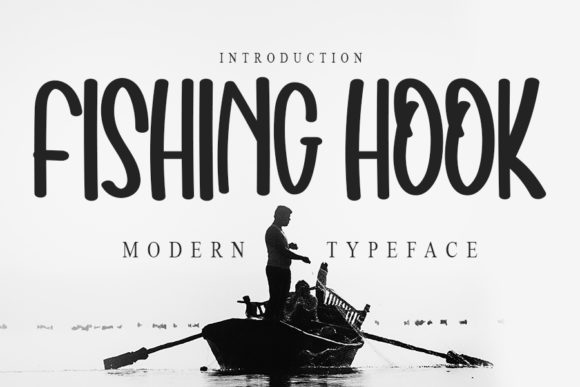
Fishing Hook is a handwritten font with a bold and friendly character that adds personality to digital projects. As a web designer, I’ve found it particularly useful in creating visual interest without sacrificing readability. Its organic feel makes it ideal for branding elements that require a human touch.
Visual Characteristics of Fishing Hook
The unique strokes and natural variations in Fishing Hook give it a handcrafted appearance. This script font has a playful yet professional tone, making it suitable for both creative and commercial applications. The font’s curves and flourishes add visual warmth, which can enhance the user experience on websites that aim to convey approachability.
When used in headers or call-to-action sections, Fishing Hook draws attention while maintaining a sense of familiarity. It's especially effective when paired with clean sans-serif fonts for body text, ensuring a balanced visual hierarchy.
Applying Fishing Hook in Web Design
Fishing Hook works well in various design contexts such as hero sections, landing pages, and product banners. For instance, using it for a boutique online store’s header creates an inviting atmosphere that aligns with the brand’s identity. On a coaching website, it can be used for section headings to emphasize key messages and encourage engagement.
On a course sales page, Fishing Hook can be applied to short phrases or titles that highlight the value proposition. In blog headers or digital ads, its use can help break up content and guide the reader’s eye naturally through the layout.
Readability Considerations
While Fishing Hook is visually appealing, it's important to consider readability, especially on mobile screens. When used for longer blocks of text, it may not be the best choice due to its stylized nature. However, for short phrases, buttons, or decorative accents, it performs exceptionally well.
For optimal readability, ensure there is enough contrast between the font color and background. Darker backgrounds may require lighter text, while light backgrounds benefit from darker tones. Testing different weights and spacing can also improve legibility in responsive layouts.
Font Pairing and Brand Identity
Pairing Fishing Hook with a simple sans-serif font like Helvetica or Arial can create a modern and professional look. This combination is ideal for editorial designs, where the display font adds flair while the sans-serif font ensures clarity in body copy.
For a more luxurious feel, pairing it with a serif font like Georgia can work well in editorial or packaging design contexts. The contrast between the two styles helps establish a clear visual hierarchy and reinforces brand identity.
When selecting font pairings, always check if the chosen fonts are available in webfont formats and support the necessary languages. This is crucial for ensuring consistency across global audiences and platforms.
Commercial Use and Licensing
As a designer working on client projects or developing digital templates, it's essential to verify the licensing terms of Fishing Hook. Commercial font licenses typically allow usage in websites, online stores, landing pages, and other digital assets. Always confirm that the license covers all intended uses to avoid legal issues.
Some premium font collections offer extended licenses that include multilingual support, which is beneficial for international projects. Including this information in your design asset documentation helps streamline project management and client communication.
Practical Applications for Digital Projects
Fishing Hook can be used creatively in a variety of digital projects. For a creative portfolio site, it can serve as the primary font for headlines and project titles, reinforcing a personal and artistic brand image. On a SaaS landing page, it might be used sparingly for feature highlights or testimonials to add a human element.
In social media graphics, Fishing Hook works well for captions or overlay text that needs to stand out against images. For branded email campaigns, it can be used in subject lines or call-to-action buttons to increase engagement and recognition.
When designing a digital brand kit, including Fishing Hook as one of the primary typefaces ensures consistency across all marketing materials. Whether it's for a logo, packaging design, or promotional content, the font contributes to a cohesive and memorable brand presence.
Design Tips for Using Fishing Hook
To maximize the effectiveness of Fishing Hook, consider the following tips:
- Use it for short, impactful phrases rather than long paragraphs.
- Limit its use to headings, titles, or decorative elements to maintain readability.
- Ensure adequate spacing between letters and lines for better legibility.
- Test the font on different screen sizes and devices to ensure responsiveness.
- Pair it with complementary fonts that enhance the overall design without clashing.
By thoughtfully integrating Fishing Hook into your design workflow, you can elevate the visual appeal of your digital projects while maintaining a strong and consistent brand identity. Its versatility and charm make it a valuable addition to any designer's toolkit.