Melly Dream: A Handwritten Font for Creative Makers
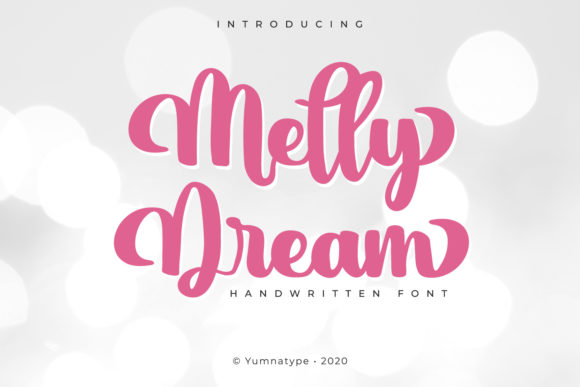
I was working late one evening, prepping a batch of custom candle labels for my small shop, when I stumbled upon Melly Dream. The moment I saw it, I knew this was the font that would bring my branding to life. It’s not just a typeface—it’s a whisper of elegance and warmth, like a handwritten note tucked into a gift box. Melly Dream has a soft, flowing script with gentle curves and a natural rhythm that feels personal and inviting.
As a handmade seller, I spend a lot of time thinking about how every detail—every label, every tag, every sign—tells a story. Melly Dream fits perfectly into that narrative. Its charm is subtle but strong, making it ideal for anything from boutique packaging to digital printables. I’ve used it on everything from seasonal greeting cards to rustic farmhouse signs, and each time, it adds that extra layer of character that makes my products feel more thoughtful and intentional.
Bringing Melly Dream to Life on Real Products
I first tested Melly Dream on a set of candle labels. I wanted something that felt organic, something that wouldn’t feel too formal or too casual. The font had just the right balance. It worked beautifully on small stickers and larger tags alike, and I loved how it looked printed in both dark and light colors. It didn’t overpower the design, which was exactly what I needed.
Next, I tried it on a batch of birthday invitations. I paired it with a clean sans serif font for the body text, and the contrast made the invitation feel both elegant and approachable. Melly Dream became the focal point, drawing attention to the names and dates without being overwhelming. It was perfect for creating a sense of occasion and celebration.
Then came the wedding welcome board. I wanted something that felt personal, almost like a hand-written message from the couple themselves. Melly Dream delivered that feeling effortlessly. It added a touch of romance and nostalgia, and I received so many compliments on how it made the board feel warm and heartfelt.
Designing with Melly Dream: Tips and Tricks
When using Melly Dream for physical products, I always consider the size and spacing. It works well for short phrases, names, and titles, but if you're planning to use it for longer text, I recommend pairing it with a simpler font for readability. For example, I often use a clean sans serif font for the body of a card or label and let Melly Dream take over for the headings or accents.
For cutting machines like Cricut or Silhouette, I found that Melly Dream prints cleanly at various sizes. Just be sure to test it out on a sample before committing to a full run. I also love using it for mockup previews and listing images, as it helps showcase the product in a way that feels authentic and appealing.
If you’re planning to sell digital downloads or templates, make sure to check the font licensing. Melly Dream comes with commercial use rights, which is great news for makers who want to offer their designs for sale. I always double-check the included styles, alternates, and swashes to ensure they fit the project I’m working on.
Exploring Melly Dream Across Different Mediums
Melly Dream isn’t limited to just labels and cards. I’ve used it on printable wall art, where its flow and elegance really shine. It pairs beautifully with watercolor backgrounds or minimalist designs, adding a touch of sophistication. I’ve also incorporated it into tote bag designs and shirt prints, where it adds a personal, handmade feel that customers love.
For seasonal products, like holiday tags or autumn-themed packaging, Melly Dream brings a sense of warmth and familiarity. It’s especially effective when combined with natural textures and earthy tones. Whether it’s a simple “Thank You” tag or a festive sign, it always feels just right.
I even use it for my shop branding, including logos and social media graphics. It helps maintain a consistent visual identity while keeping things fresh and creative. Customers seem to recognize it instantly, which is a big plus for brand recognition.
Choosing the Right Pairings and Styles
When designing with Melly Dream, I find that pairing it with a contrasting font can elevate the overall look. A simple serif font works well for a classic, timeless feel, while a bold display font can add drama and impact. I also enjoy using it alongside other script fonts for a layered, decorative effect.
It’s important to explore the different styles and alternates that come with Melly Dream. Some characters have swashes or ligatures that can enhance the design. I always take a few minutes to experiment with these options to see how they fit the project I’m working on.
Lastly, don’t forget about multilingual support and file formats. If you plan to use the font internationally or across multiple platforms, it’s worth checking the compatibility. I’ve found that Melly Dream works seamlessly across most design software and printing methods, which is a huge relief when working on a variety of projects.